Evergreen guide
Best carpet cleaning method for Gold Coast homes?
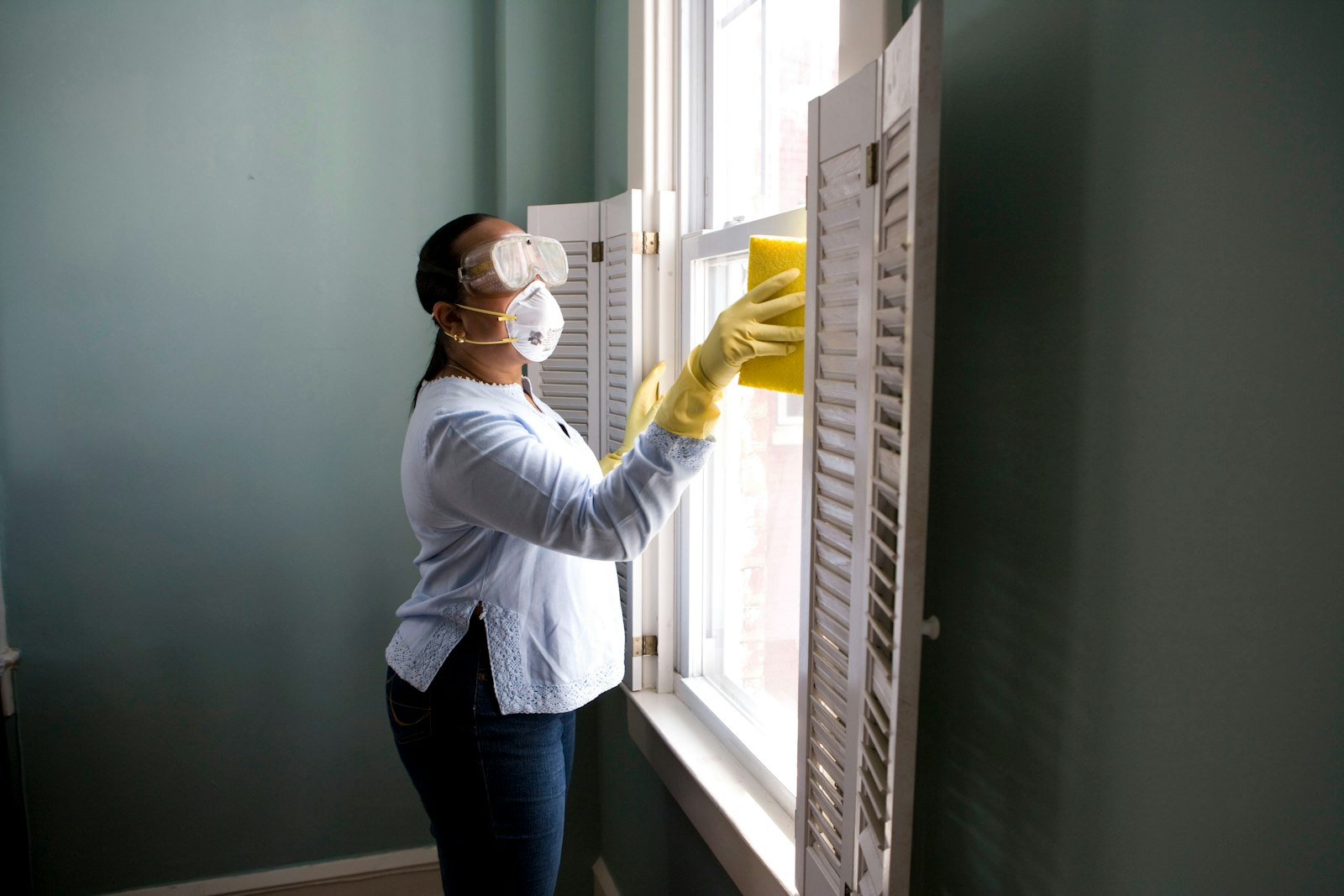
Photo: Unsplash process photograph. Rights-cleared credits
Direct answer
If your Gold Coast carpet is everyday dusty with a few spills, and you need the room back the same afternoon, a competent low-moisture method (including carbonation-style chemistry) is often the practical choice. If the pile is packed with clay, grease or years of unvacuumed grit, a controlled hot-water extraction — what brochures still call steam — can rinse more soil, provided the backing does not become a swamp. The worst method is whichever one leaves soap in the yarn and water in the pad.
This page rewrites two archive essays (/chem-dry-versus-steam-cleaning-2/ and /the-power-of-carbonation/) without selling a franchise.
What “steam” usually means
Residential “steam cleaning” in Australia is almost never a true dry-vapour steam iron. It is hot-water extraction: solution in, vacuum out. Done well, it is a rinse. Done poorly, it is a flood with detergent. Archive copy on this domain warned about one-to-two-day dry times, mould risk, and sticky residue that attracts dirt “like leaving shampoo in your hair.” Those failure modes are real when the operator over-wets or under-extracts. They are not automatic for every wand in every house.
What carbonation-style cleaning is trying to do
The club-soda metaphor is not marketing poetry only. Carbonated solutions create agitation at the fibre surface so soil can be lifted with less bulk water. The 2019 Chem-Dry pages claimed “almost 80% less” water and walk-on times of one to four hours. Treat those figures as directional, not a specification you can take to an insurer. Equipment, pile density, underlay, and a humid February in Broadbeach all move the result.
We do not use the product name “The Natural” as if we sell it. We do not repeat Entrepreneur Magazine “#1” rankings.
A comparison you can actually use
- Leftover water: low-moisture / carbonation-style typically leaves less; hot-water extraction leaves more if the rinse is heavy.
- Heavy grease or packed grit: carbonation-style work may need pre-spot or a second philosophy; extraction often rinses harder — if it is actually extracted.
- Residue risk: lower when the chemistry is not soapy; high when detergent is overdosed in a steam van.
- Same-day walk-on: more likely with low moisture; still possible with good extraction and airflow.
- Wool and delicates: both can fail — heat, alkalinity and over-wetting are the usual villains.
- Flood salvage: carbonation is usually the wrong tool. Extraction belongs in water damage.
Gold Coast climate is the tie-breaker
Humidity stretches dry times. Salt air and closed apartments reduce evaporation. A method that is “dry in two hours” in a marketing PDF can still feel cool-damp at 10pm if nobody ran the air-con. That is why the process page refuses a single guaranteed hour. If leftover moisture meets a slow leak, you are suddenly reading mould.
How to evaluate “eco” and “non-toxic” claims
Ask for:
- A safety data sheet, not a leaf icon
- What is left in the fibre after vacuum
- Whether pets and kids should stay off until dry (they should)
- Whether the operator is changing chemistry for wool versus olefin
“Green” that still leaves surfactant in the pile will grey out faster. That is not a moral failing; it is physics.
Pet urine is not a method war
Neither carbonation nor steam deletes crystalised salts in a pad by itself. Read what actually works for urine and the urine science guide.
Stains and DIY
Flooding a red-wine mark with supermarket steam is how you set a halo. See the stain notes on carpet cleaning.
How to brief a quote
Photos, fibre if known, pets, last clean (if any), and whether you need same-day access. Contact. Related: upholstery uses the same moisture logic on a different object. Commercial cares about overnight HVAC.
Heritage URLs /chem-dry-versus-steam-cleaning-2/ and /the-power-of-carbonation/ 301 here so old links keep teaching, without the franchise costume.